Open Monday - Friday 12:30 - 19:00
Open Monday - Friday 12:30 - 19:00
When it comes to choosing the perfect metal for your jewellery, the decision often boils down to two timeless options: platinum and gold. Both are luxurious, durable, and beautiful, but they each have unique qualities that make them stand out. Whether you’re shopping for an engagement ring, a wedding band, or a statement piece, understanding the differences between platinum and gold can help you make the right choice. In this blog, we’ll explore what makes platinum a luxury metal, its unique properties, how it compares to gold, and why it’s often considered more valuable. We’ll also highlight some popular platinum jewellery styles to inspire your next purchase.
Platinum is often regarded as the pinnacle of luxury metals, and for good reason. Its rarity, durability, and natural beauty make it a favourite for high-end jewellery. But what exactly sets platinum apart?
Platinum is one of the rarest metals on Earth. Annually, only about 200-250 tonnes of platinum are mined globally, compared to approximately 3,000 tonnes of gold. Most of the world’s platinum comes from South Africa, which accounts for 70-80% of global production, with smaller contributions from Russia and North and South America. To put this into perspective, all the platinum ever mined could fit into a single room measuring about 25 feet by 25 feet.
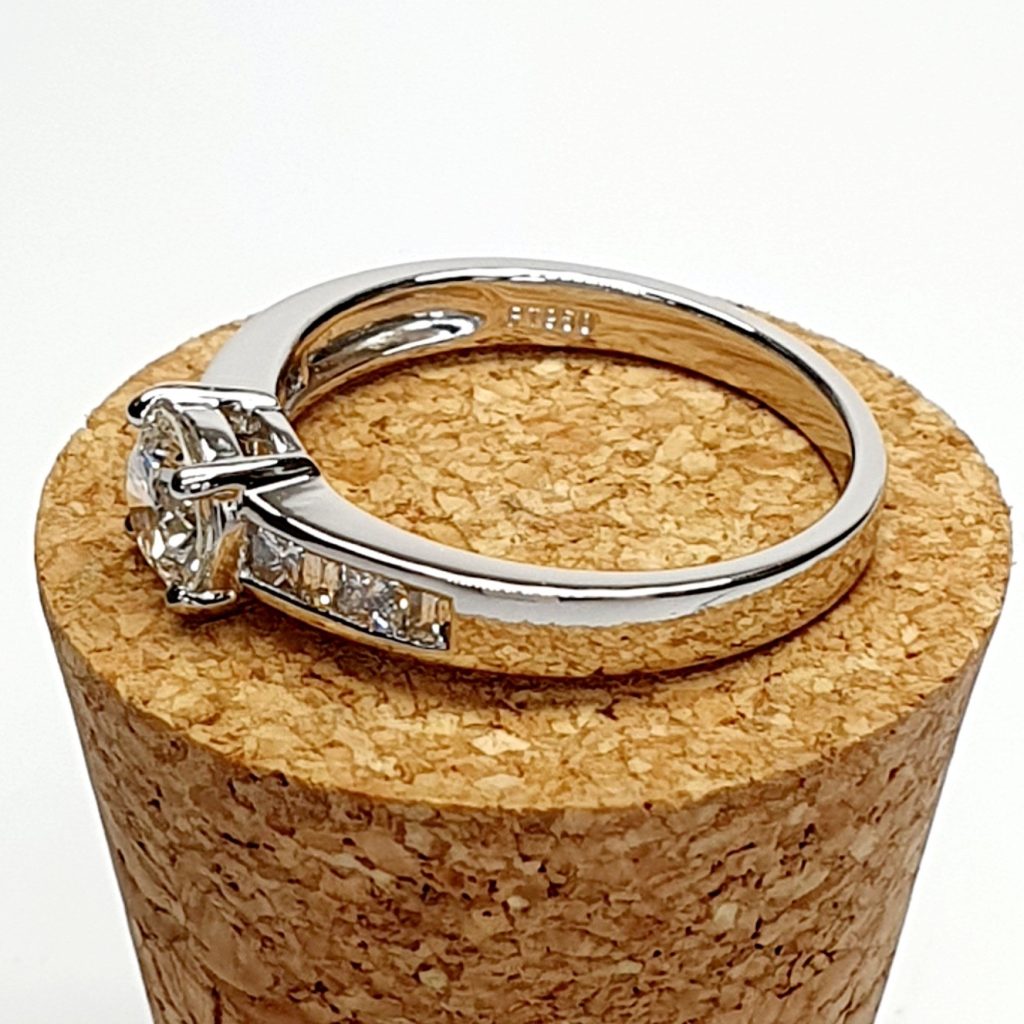
Platinum’s history as a luxury metal dates back to ancient civilisations. It was first used by pre-Columbian South American cultures, but it gained prominence in Europe during the 18th century. Its resistance to tarnish and corrosion made it a favourite for royal jewellery and high-end decorative items. Over time, platinum became synonymous with wealth and achievement, as seen in its use for prestigious awards like platinum records in the music industry.
Platinum’s history as a luxury metal dates back to ancient civilisations. It was first used by pre-Columbian South American cultures, but it gained prominence in Europe during the 18th century. Its resistance to tarnish and corrosion made it a favourite for royal jewellery and high-end decorative items. Over time, platinum became synonymous with wealth and achievement, as seen in its use for prestigious awards like platinum records in the music industry.
Platinum is not just beautiful; it’s also incredibly practical. Its unique properties make it a standout choice for jewellery, particularly for pieces that are worn daily, such as engagement rings and wedding bands.
Platinum is one of the strongest precious metals available. It’s highly resistant to wear and tear, making it perfect for jewellery that needs to withstand the rigours of daily life. Unlike gold, which can wear down over time, platinum retains its weight and structure even after years of use.
For those with sensitive skin, platinum is a dream come true. It’s a naturally hypoallergenic metal, meaning it’s unlikely to cause irritation or allergic reactions. This makes it an excellent choice for people who struggle with other metals, such as nickel or certain alloys found in gold.
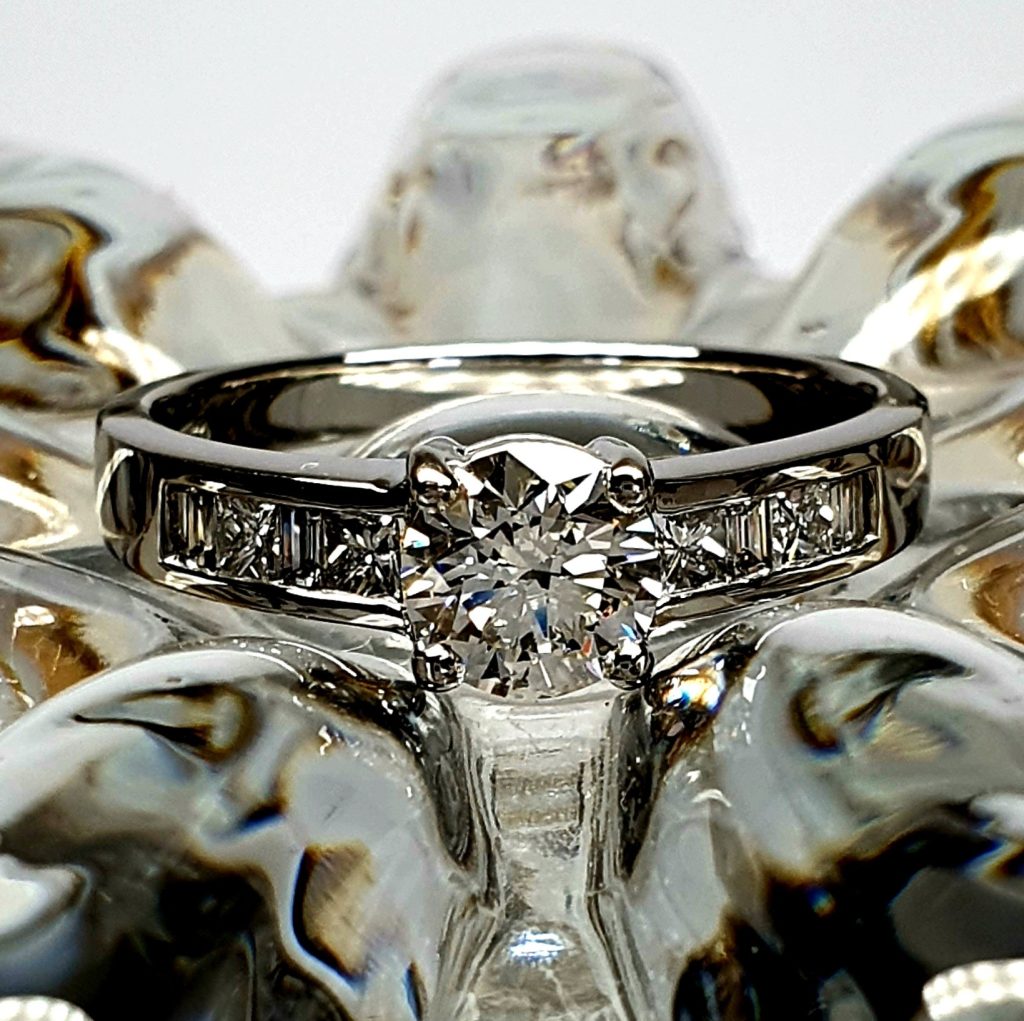
Over time, platinum develops a unique patina finish, which many people find appealing. This soft, matte look adds character to the jewellery and is often seen as a mark of its authenticity and age. If you prefer a polished look, platinum can easily be restored to its original shine with professional cleaning .
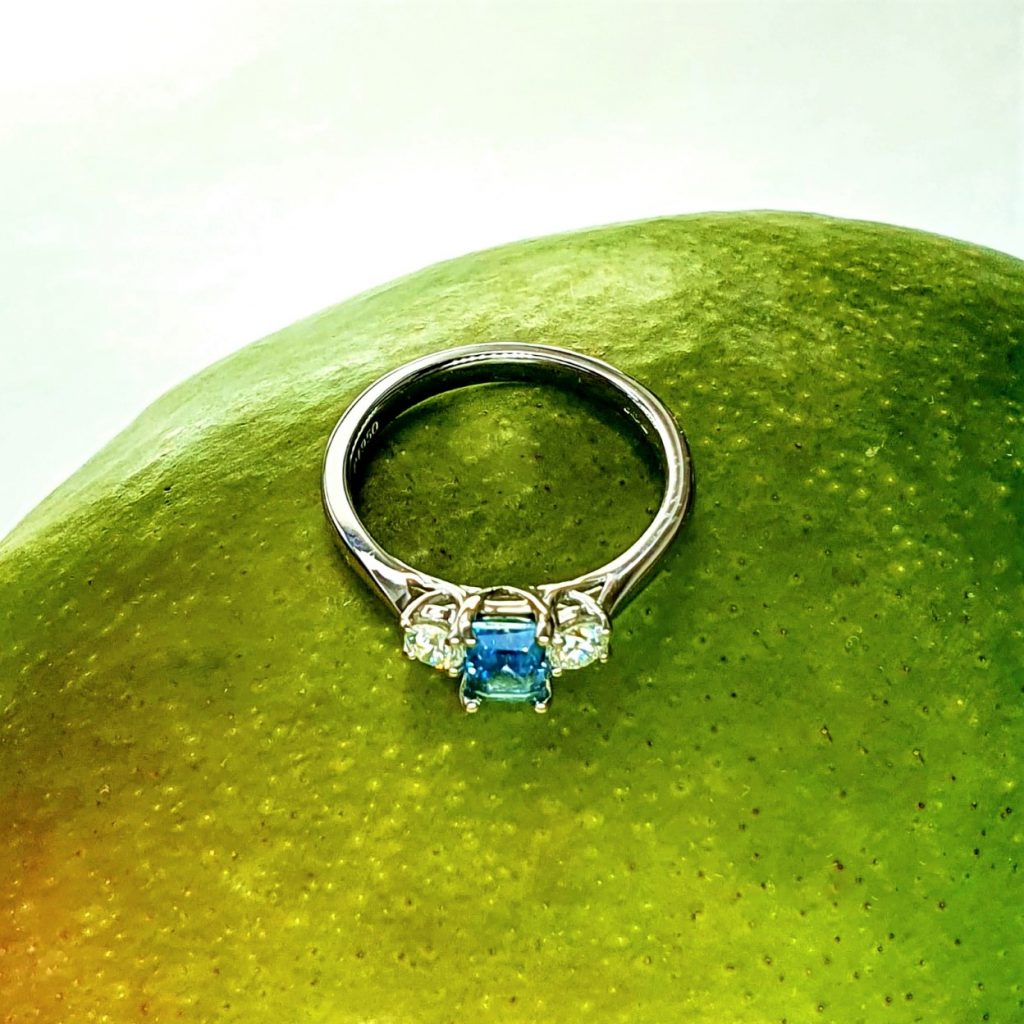
Platinum’s strength makes it an ideal choice for securing gemstones. Whether it’s a diamond, sapphire, or emerald, platinum holds stones firmly in place, reducing the risk of them becoming loose or falling out. This is particularly important for engagement rings and other pieces with valuable stones.
Gold, on the other hand, has its own set of unique properties that have made it a popular choice for centuries. Its versatility and timeless appeal make it a staple in the world of jewellery.
One of gold’s most attractive features is its availability in a range of colours. Yellow gold, white gold, and rose gold each offer a distinct look, allowing you to choose a style that suits your personal taste. This versatility makes gold a favourite for both traditional and modern designs.
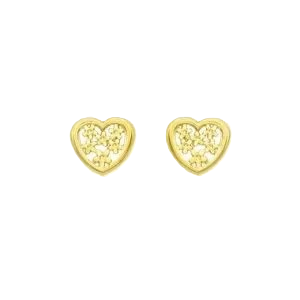
Gold is a highly malleable metal, which means it can be shaped into intricate designs with ease. This makes it a popular choice for detailed jewellery pieces, such as filigree work or custom designs.
Gold has a rich history and cultural significance in many parts of the world. From wedding jewellery in India to heirloom pieces in Europe, gold is often associated with tradition, wealth, and celebration.
While both platinum and gold are precious metals, platinum is often considered more valuable. This is due to several factors:
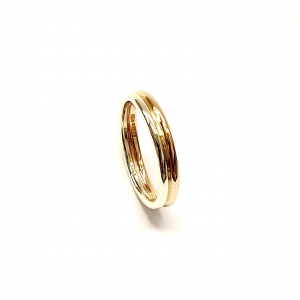
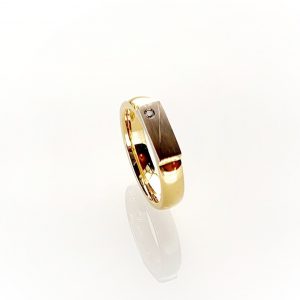
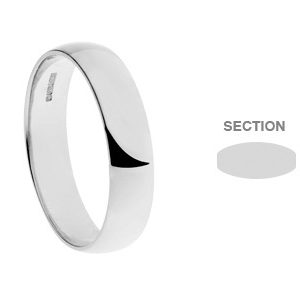
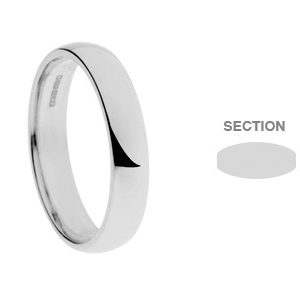
If you’re considering platinum for your next jewellery purchase, you’ll be pleased to know that it’s available in a wide range of styles. Here are some popular options to inspire you:
The choice between platinum and gold ultimately comes down to personal preference, lifestyle, and budget. If you’re looking for a metal that’s rare, durable, and hypoallergenic, platinum is an excellent choice. Its natural white sheen and ability to hold gemstones securely make it a favourite for engagement rings and other high-end pieces.
On the other hand, if you value versatility, affordability, and a variety of colours, gold might be the better option. Its rich history and cultural significance add to its timeless appeal.
Whichever metal you choose, both platinum and gold offer unparalleled beauty and quality. By understanding their unique properties, you can make an informed decision and invest in a piece of jewellery that you’ll cherish for years to come.
|
Uploaded
Failed
|
 |